What we treat
Speech Pathology for voice, cough and breathing conditions
Southern Sydney Voice Therapy offers a range treatment approaches for management of voice disorders, breathing disorders and chronic cough. Treatments provided are based on the latest research evidence and tailored to meet our client's individual needs and goals. We aim to ensure that treatments selected will help our clients develop skills that will make the most impact their daily life.
Speech Pathology for voice disorders
Voice therapy is the first line treatment approach for the majority of voice disorders. The overall aim of voice therapy is to achieve the best possible voice through guided change in vocal behaviours and lifestyle factors. Specifically, voice therapy can help:
Improve clarity of voice
Increase ability to use loud voice
Enhance ability to vary pitch or speak at desired pitch level
Reduce aches, pain, 'lump' sensation or other feelings of discomfort in the throat
Minimise vocal fatigue
Increase ability to meet occupational, recreational and/or social vocal demands
Expand voice so that it represents yourself
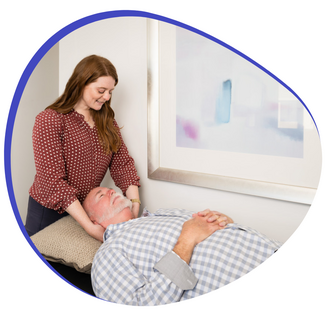
Voice therapy usually involves a combination of vocal exercises, manual therapy (vocal massage), counselling/psychological support and home practice to transfer skills into your daily life.
Our Certified Practicing Speech Pathologist, Dr Clare Eastwood, has received training in various voice therapy programs including Voicecraft, the Accent Method, Adventures in Voice/Resonant Voice Therapy, Phonation Resistance Training Exercises (PhoRTE) and myofascial release of the jaw and neck. She is also certified to provide the Lee Silverman Voice Treatment (LSVT) for Parkinson Disease.
Our Certified Practicing Speech Pathologist, Dr Clare Eastwood, has received training in various voice therapy programs including Voicecraft, the Accent Method, Adventures in Voice/Resonant Voice Therapy, Phonation Resistance Training Exercises (PhoRTE) and myofascial release of the jaw and neck. She is also certified to provide the Lee Silverman Voice Treatment (LSVT) for Parkinson Disease.
Speech Pathology for chronic cough
Speech pathology is a successful and evidenced based approach for treating chronic refractory cough. The aim of therapy is to break the chronic cough cycle through calming of the overly sensitive nervous system (peripheral and central) that is responsible for the ongoing cough. Our Speech Pathologist will help you learn strategies to: 1) help retrain the brain's control over the cough and improve cough suppression and 2) reduce irritation/inflammation and calm the sensitivity of the vagus nerve fibres of the throat. This is achieved through a combination of cough suppression techniques, strategies for reducing laryngeal irritation and counselling/psychological support.
Breathing retraining for dysfunctional breathing and inducible laryngeal obstruction
Breathing retraining is an evidence-based approach that helps restore efficient and coordinated breathing patterns in people experiencing dysfunctional breathing or Inducible Laryngeal Obstruction (ILO). Therapy is tailored to the individual, with exercises selected to address the specific breathing pattern or ILO presentation. For dysfunctional breathing this may include techniques that promote a diaphragmatic pattern, reduce upper-chest and neck tension, smooth an irregular or segmented inhalation, retrain continuous airflow, or reduce breath-holding tendencies. For ILO, therapy often includes open-throat breathing and airflow techniques that prevent laryngeal narrowing, and gradual desensitisation to triggers such as speaking, exercise, inhaled irritants.
How long does therapy take for voice, cough and breathing disorders?
The overall length and frequency of therapy depends on the type of voice, cough or breathing disorder, the severity of symptoms, co-occurring medical and/or surgical treatment(s), concomitant physical and/or mental health condition(s) and other individual factors. An individual's level of motivation, commitment to practice the new skills and implement lifestyle changes will also influence the overall duration and success of treatment.